Academic Work

Selected Publications

Research spanning robotics, intelligent manufacturing, and data-driven systems, with an emphasis on practical solutions grounded in mathematical theory.

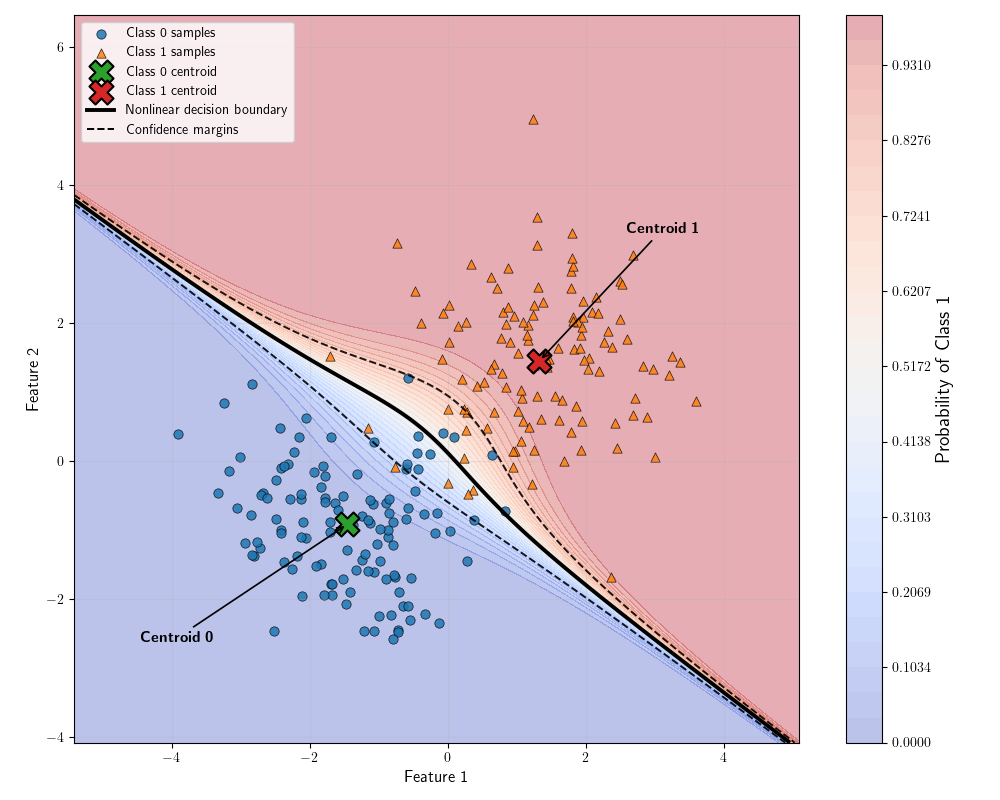
Process-guided Learning centers around the use of machine learning to optimize a process.
FIG 01 - PROCESS-GUIDED LEARNING
Process-guided Learning focuses heavily on utilizing real-world data to improve processes in a systematic way.
FIG 02 - DATA-DRIVEN LEARNING SYSTEM
01 / 06 2026

University of Kentucky Ph.D. Dissertation

Process-Guided Learning via Data-driven Modeling and Controller Synthesis

Benton Clark

Ph.D. Dissertation. Included previous works such as path-following, Digital Process Twin, and Wire Arc Additive Manufacturing. Includes expansions on Digital Process Twins with Deep Reinforcement Learning for fully autonomous agent process improvements, as well as an additional chapter on automated exploration for data-driven gravity compensation of robotic arms, including building a custom robot testbed.
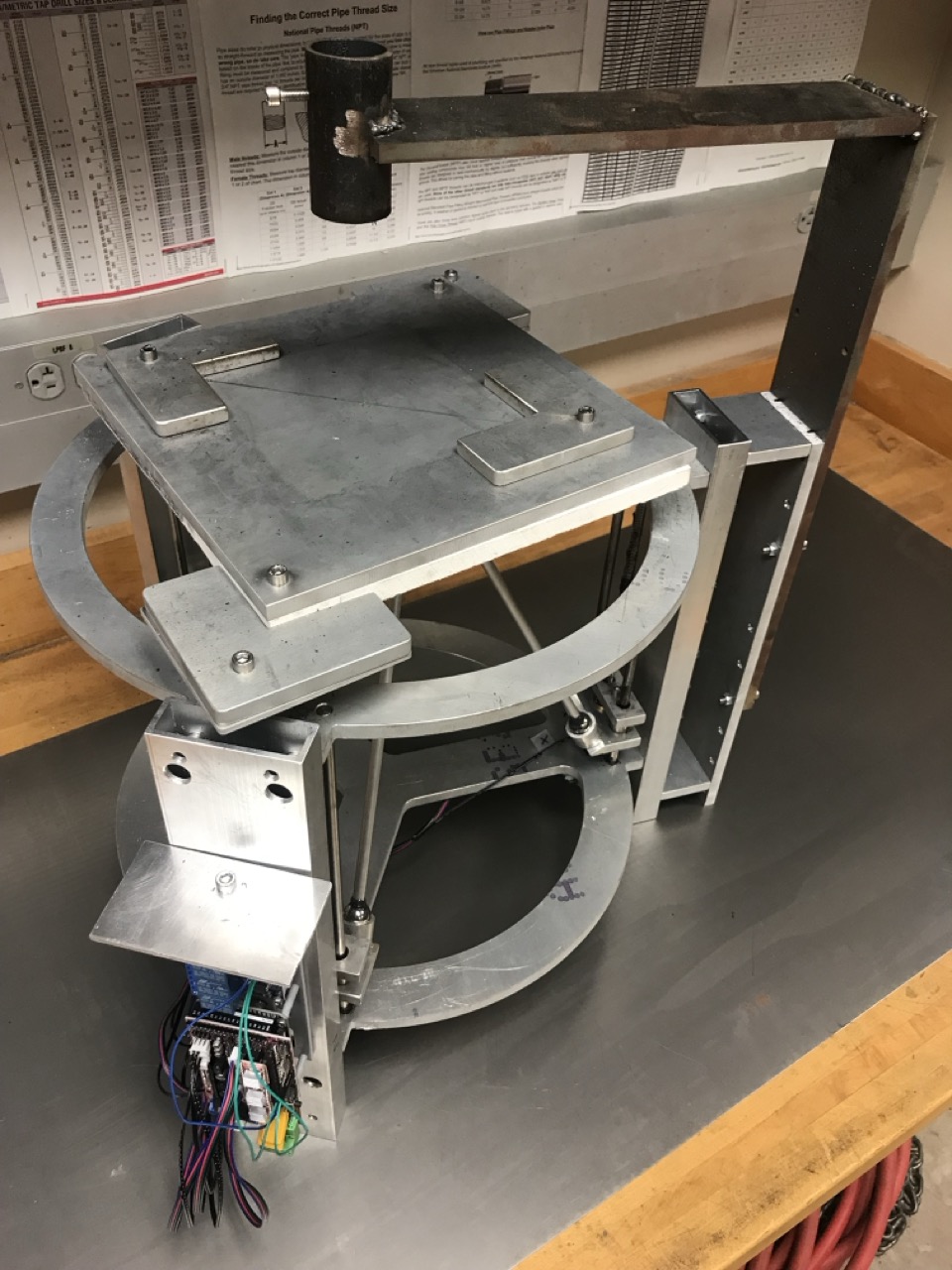
The custom-built 3D printer body used in the experiments of this work.
FIG 01 - CUSTOM 3D METAL PRINTER
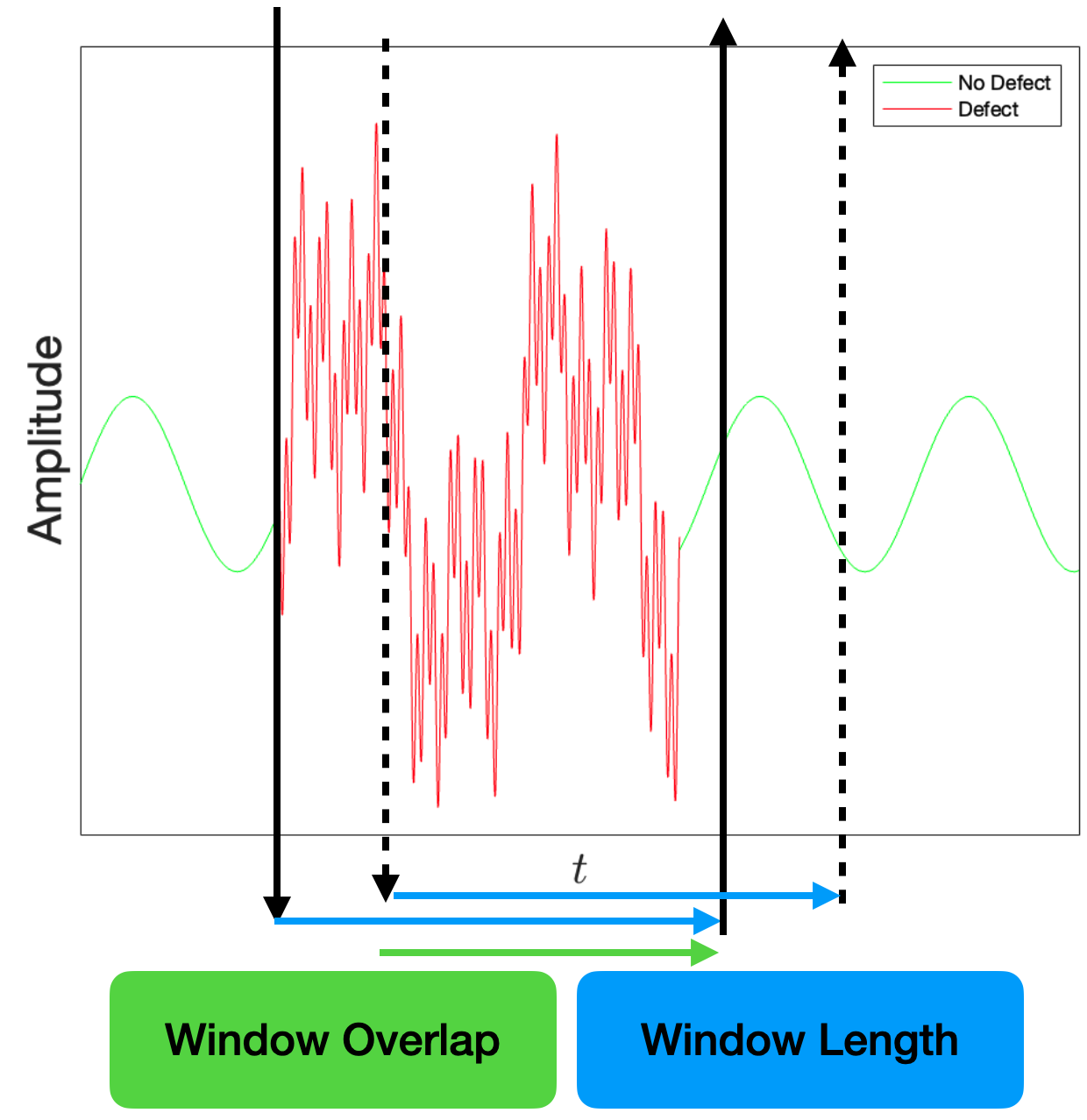
A schematic of the machine-learning based waveform detection performed designed in this paper.
FIG 02 - ANOMALY DETECTION SCHEME
02 / 06 2026

Journal of Intelligent Manufacturing pp. 615-627.

Real-time in-situ defect detection via multi-modal classification of waveforms for wire arc additive manufacturing

Benton Clark et. al.

Machine-learning based defect-detection system for Wire Arc Additive Manufacturing (WAAM), A.K.A. 3D metal printing. Multi-modal asynchronous data-capture system developed to provide real-time capable feedback. Capable of detecting both surface level and subsurface level defects in detection from process waveforms alone.

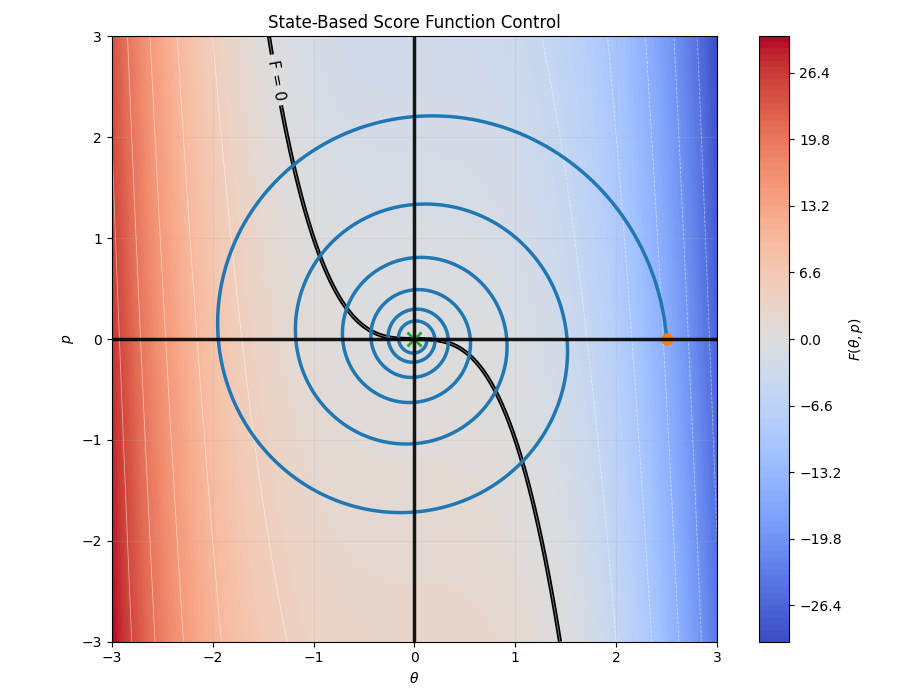
A graphical example of a State-based Score Function stability polt.
FIG 01 - StBSF STABILITY PLOT
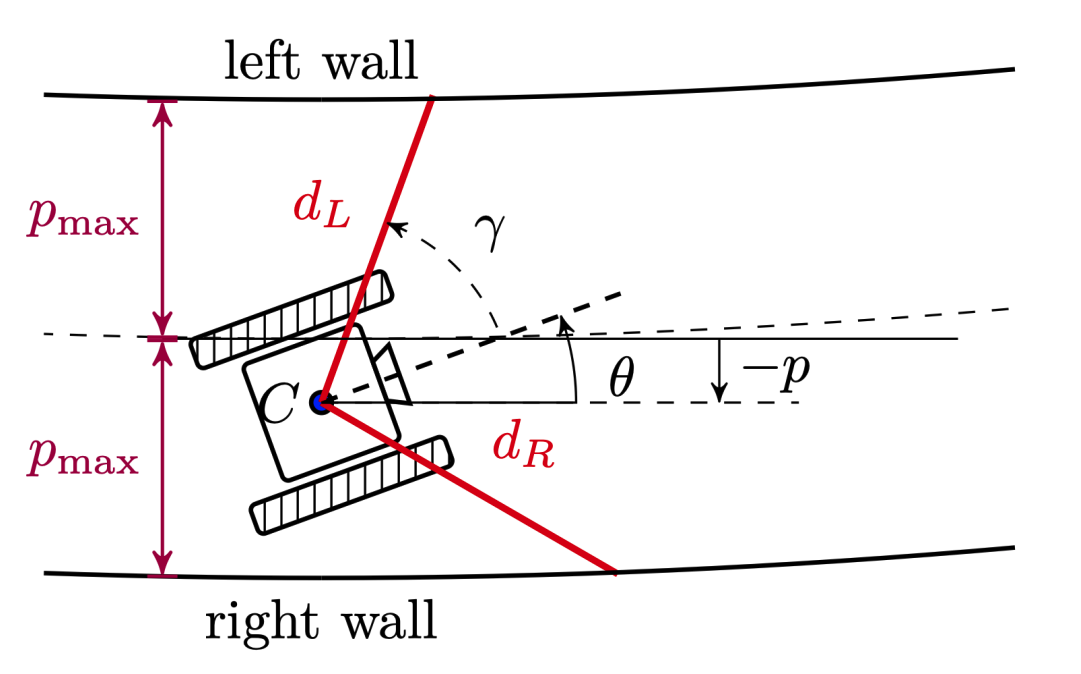
A diagram showing the extension of the StBSF stability analysis to nontraditional wheeled mobile robots.
FIG 02 - WMR STABILITY
03 / 06 2024

IEEE Control Systems Letters 8 pp. 406-411

A monotonicity framework for stability verification of planar path-following controllers

Benton Clark and Hasan Poonawala

A natural extension of the previous sensor-driven path-following work in which the mathematical framework was abstracted to handle more complex path-following conditions such as non-zero curvature. This abstraction allows applying the general stability framework to a larger class of wheeled mobile robots while still providing the same safety conditions on bounded path deviation.

From Theory to Sims ▶ VIDEO
A video illustrating the state-space and demonstrating the evolution of several different trajectories. Different colors correspond to differing control parameters, which ultimately determines stability.
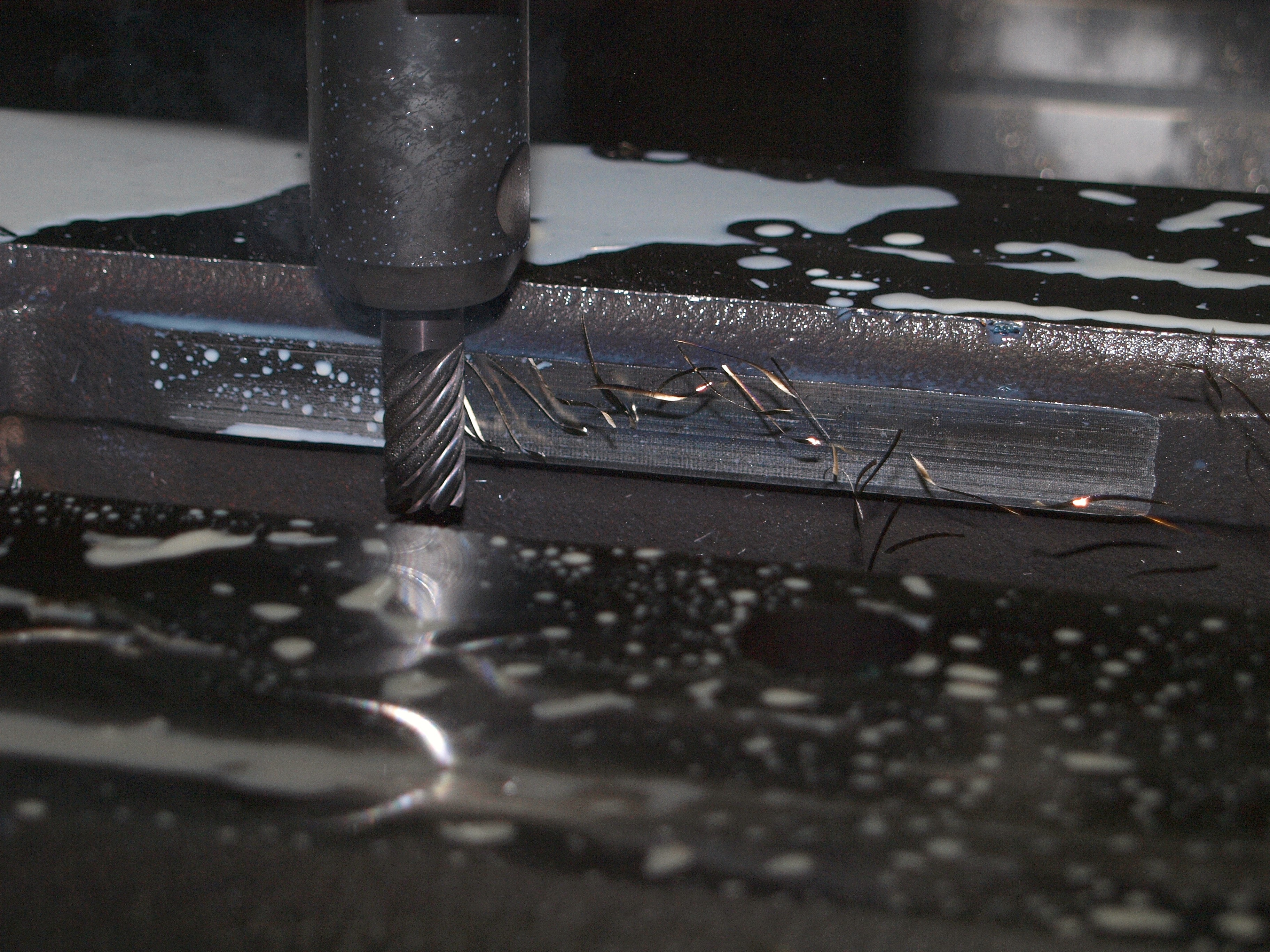
A representative image showcasing a surface finish milling operation, the same maching operation performed in the paper.
FIG 01 - SURFACE MILLING CASE STUDY
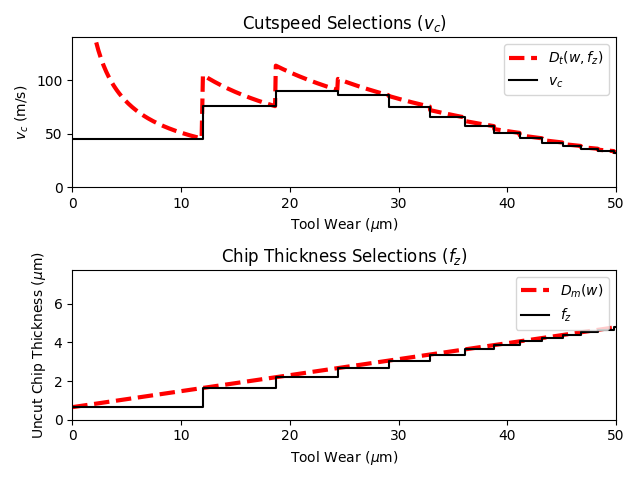
A graph showing the output of the greedy dynamic parameter selection produced in simulation.
FIG 02 - DYNAMIC PARAMETER CONTROL
04 / 06 2024

Production Engineering 18.2 pp. 367-380

Digital process twins: a modular approach for surface conditioning and process optimization

Benton Clark, Julius Schoop, and Hasan Poonawala

A case study on the Digital Process Twin, a two-way connected manufacturing process in which a cyber-physical realization of the process enables for expidited learning and improvement of process control with limited physical examples. Involved testing against industry baselines, with the proposed solution improving current performance by over 100% in cases such as energy and profitability.

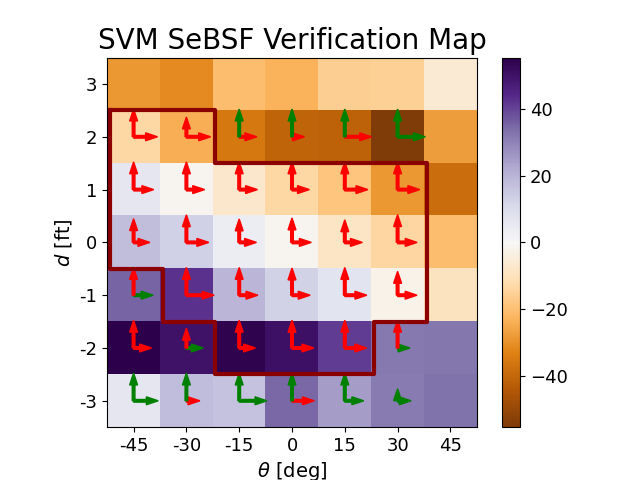
Delta-theta map for proving stability.
FIG 01 - DT STABILITY MAP
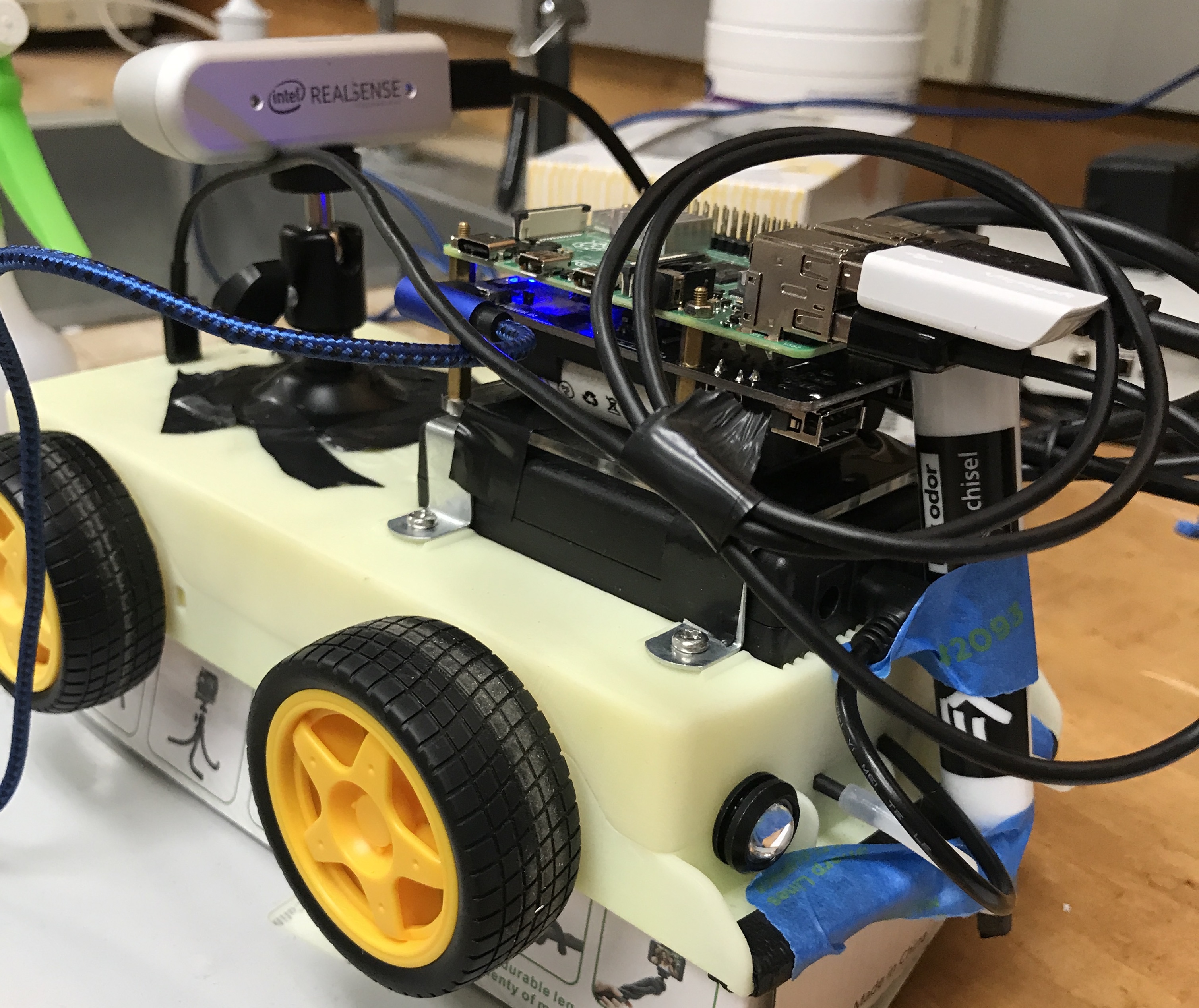
Custom designed OpenBot platform used to run the experiments.
FIG 02 - EXPERIMENTAL PLATFORM
05 / 06 2023

2023 IEEE/RSJ International Conference on Intelligent Robots and Systems (IROS)

Provably correct sensor-driven path-following for unicycles using monotonic score functions

Benton Clark, Varun Hariprasad, and Hasan Poonawala

A real-time capable control and verification algorithm for mobile robotics. Developed with a mathematical framework that rigorously ensures safety through bounded path deviation during control. Simple and lightweight, capable of running on cheap consumer electronics.

Watch the experiments ▶ VIDEO
A image captured from the RGB-D depth camera during experimental validation. The video is sped up to save space and time. Einstein would be proud.
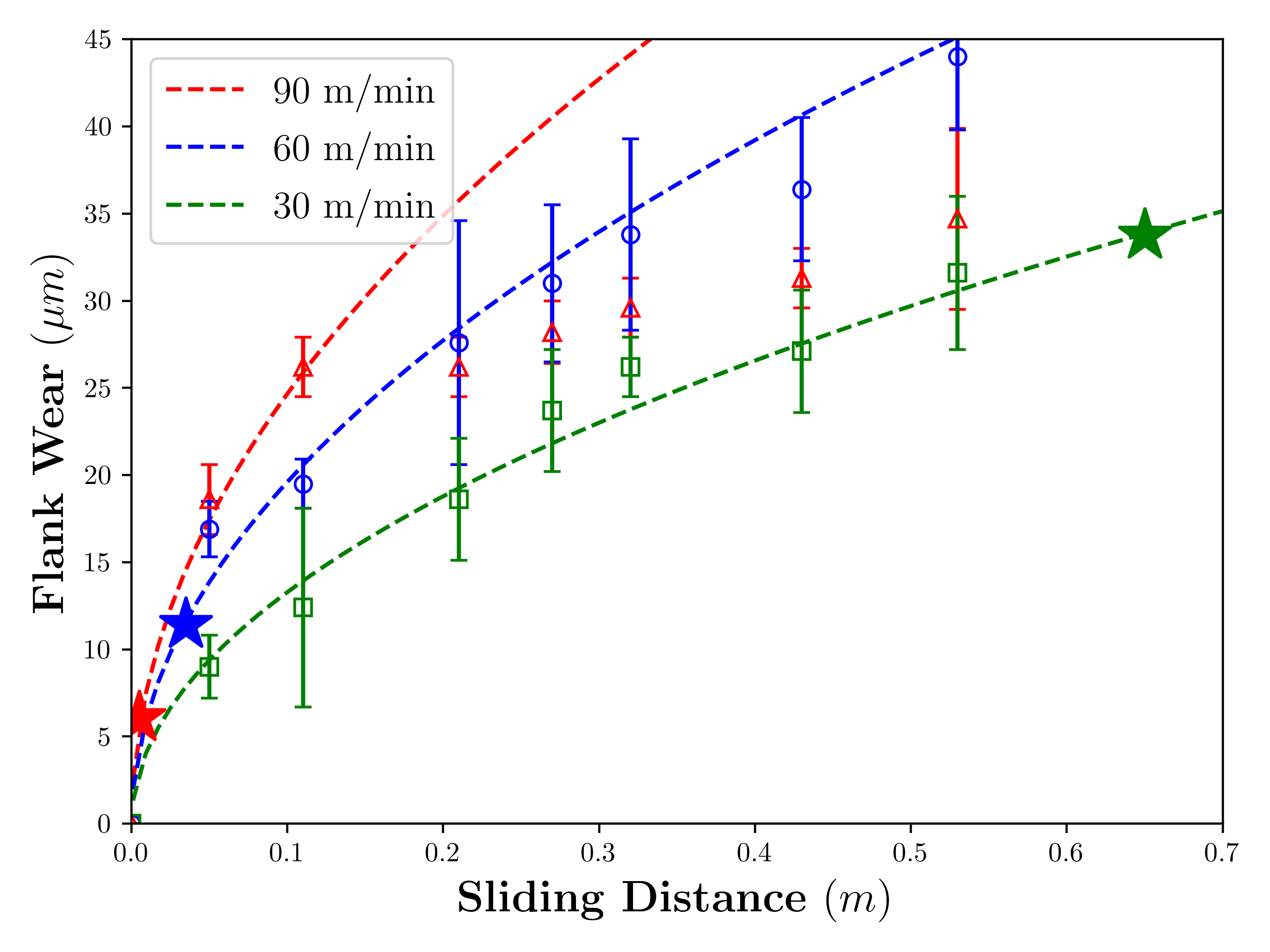
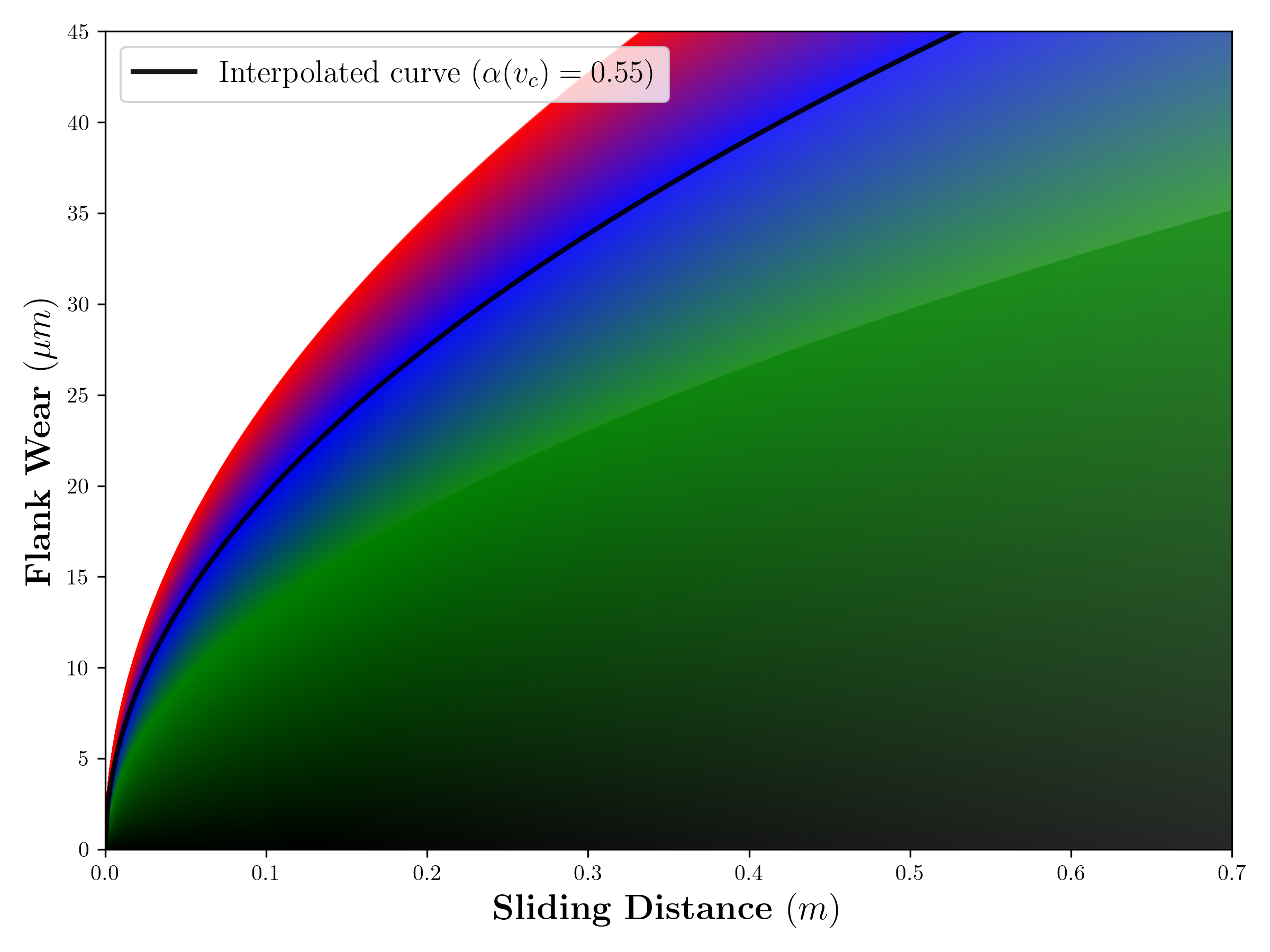
An example of the static data-driven models powering dynamic process optimization as proposed in the paper.
FIG 01 - PROCESS OPTIMIZATION MODELS
06 / 06 2021

Manufacturing Letters

AI-enabled dynamic finish machining optimization for sustained surface integrity

Julius Schoop, Hasan Poonawala, David Adeniji, and Benton Clark

A letter in manufacturing describing the process of using closed-loop dynamic feedback in conjunction with Reinforcement Learning to provide adaptive and data-driven control schemes to cmoplex manufacturing processes. This paper outlines the general strategy to be used in future work.